"The greatest change we can make is the move from dependence to self-reliance."
Living a life of self-sufficiency is about more than just surviving; it's about thriving, connecting with nature, reducing your ecological footprint, and building resilience. This guide focuses on practical, achievable steps for sustainable living right here in and around Manchester, from growing your own food to mastering basic outdoor skills.
Whether you have a backyard, an allotment, or just a window box, taking steps towards self-reliance is a rewarding journey.



The Principles of Self-Reliance
Self-sufficiency starts with mindset and planning. Embrace the following core principles:
Reduce, Reuse, Repair: Before consuming or producing, always look for ways to minimize waste and extend the life of what you already own. This is the simplest form of self-reliance.
- Resilience: Build systems that can withstand shocks, whether economic or environmental.
- Localisation: Source and produce as close to home as possible to reduce transport costs and reliance on global supply chains.
- Skill Acquisition: Prioritize learning practical skills over purchasing new equipment.
- Resource Management: Treat soil, water, and energy as finite, precious resources.
Food: Grow, Forage, Hunt
1. Growing Your Own Food
Gardening is the foundation of food self-sufficiency, even in a city environment. Manchester's climate is challenging, but rewarding.
Key Steps for Urban Growers:
- Soil Health: Start by composting and using local manure to build organic, nutrient-rich soil.
- Vertical Gardening: Use walls, balconies, and hanging baskets to maximize small spaces.
- Succession Planting: Plant small batches every few weeks to ensure a continuous harvest, preventing a massive one-time glut.
- Reliable Crops: Focus on easy-to-grow, high-yield crops like potatoes, beans, chard, and leafy greens.
2. Ethical Foraging and Wild Food
Foraging supplements your diet and deepens your connection to the local ecosystem. The Manchester area, with its surrounding moorlands and parks, offers diverse wild food.
- Safety First: Never consume anything you cannot identify with 100% confidence. Use multiple reputable guides.
- Legal & Ethical Rules: Only forage on public land (like footpaths or common land) and follow the "Rule of Four"—take no more than a quarter of what is available to ensure the resource can regenerate.
- Pollution Check: Avoid foraging near busy roads, industrial sites, or in areas that may have been sprayed with chemicals.
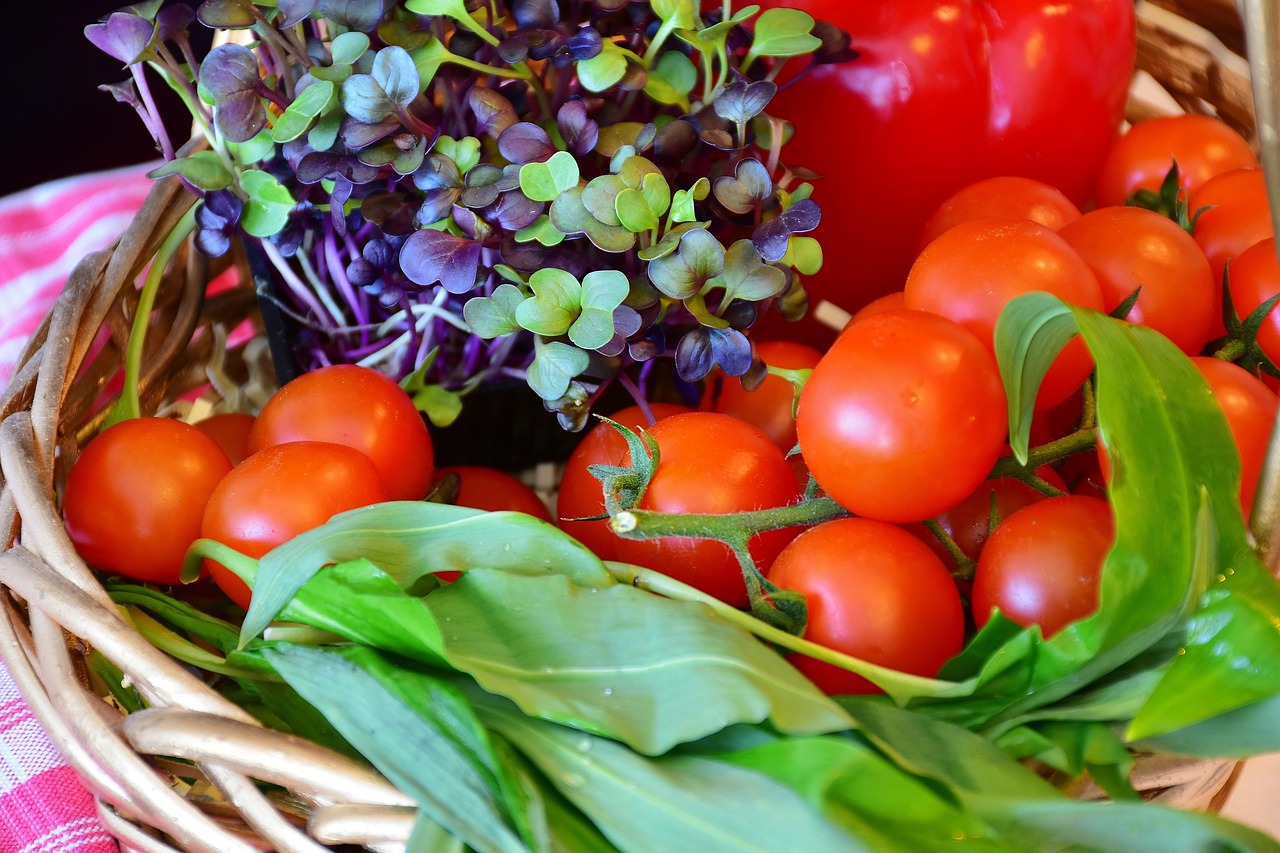
- Seasonal Finds: Focus on easily identifiable items like wild garlic (spring), elderflower (early summer), and blackberries (late summer/autumn).


3. Small Livestock and Husbandry
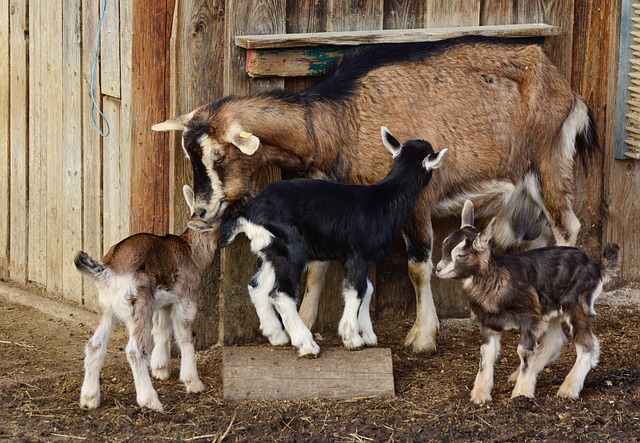
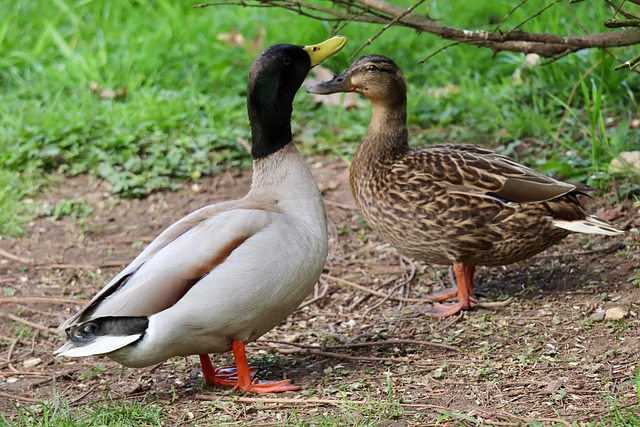
For those with space (even a small garden plot or allotment), keeping small animals provides fresh eggs, honey, and even meat.
| Animal | Benefit | Space Required |
|---|---|---|
| Chickens | Eggs, natural pest control, excellent compost/manure. | Small coop + secure run. |
| Bees | Honey, essential pollination for garden crops. | Small plot for a hive (check local bylaws). |
| Rabbits | Meat (optional), highly valued manure, low maintenance. | Secure, clean hutches/runs. |
Water and Energy Independence
Reducing reliance on municipal services is central to true self-sufficiency.
Water Management
Rainwater harvesting and filtration are crucial:
- Rain Barrels: Collect water from roof gutters for use in gardening.
- Greywater Systems: Safely reroute water from sinks/showers to non-edible garden plants.
- Emergency Filtration: Keep a quality water filter (e.g., carbon block or ceramic filter) for treating water in a crisis.
Energy Production
Focus on reducing consumption first, then generating your own power.
- Insulation: Ensure your home is well-insulated to drastically cut heating needs.
- Solar: Small solar panels can power basic lighting and charging, reducing dependence on the grid.
- Biomass: Utilizing a wood-burning stove with sustainably sourced local wood can provide efficient, localized heat.
Shelter and Basic Maintenance
The ability to maintain and repair your own shelter provides incredible security.
- Basic Plumbing: Learn to fix a leaky tap or toilet.
- Electrical Safety: Understand how to change a fuse or switch a circuit breaker.
- Tool Knowledge: Invest in quality tools (hammer, saw, wrench, drill) and learn how to use them safely.
- Pest Control: Practice preventative measures and natural deterrents before resorting to chemicals.
Essential Skills and Tools
Knowledge is your most valuable asset. Master the following basics:
- Knot Tying: Learn a few utility knots (bowline, clove hitch, sheet bend).
- First Aid: Maintain a comprehensive first aid kit and complete a basic wilderness first aid course.
- Food Preservation: Learn canning, pickling, fermenting, and drying techniques to store your harvest year-round.
- Mending: Learn basic sewing/darning to repair clothing and gear.
The Importance of Community
No one is an island. True self-sufficiency means building local networks for trade, knowledge-sharing, and mutual support.
- Bartering: Trade your surplus (eggs, honey, jam) for items you need (tool sharpening, firewood, different produce).
- Local Skill-Shares: Join workshops on fermentation, blacksmithing, or gardening to share and gain new expertise.
- Allotment Groups: Engage with local allotment communities for mentorship and practical help.
Local Manchester Resources
Connect with the following local resources to aid your self-sufficiency journey:
Important Disclaimer (Please Read)
The information provided on this page, particularly concerning foraging, wild game, and small livestock husbandry, is for informational and educational purposes only. Always use extreme caution.
Never consume any plant, fungus, or game unless you are 100% confident in its identification and preparation. Consult local laws and qualified guides before engaging in any activity. Wild Manchester assumes no liability for errors or injury resulting from the use of this information.
Conclusion
The journey towards self-sufficiency is a path of profound connection, both to the natural world and to the human history of resilient living. By cultivating knowledge, skills, and strong local ties, we build a life that is not just sustained, but truly thriving.