Nature and the Outdoors nourish the soul, heal our hearts, and clear the mind.
Discover the ultimate freedom and connection with nature just a short distance from the bustling heart of Manchester. Wild camping, or finding a sanctioned "wild-like" pitch, is an incredible way to experience the stunning Peak District, South Pennines, and surrounding areas. This guide provides you with all the necessary information—from equipment to legal spots—to plan your adventure responsibly.
Site Menu (Table of Contents)
What is Wild Camping?
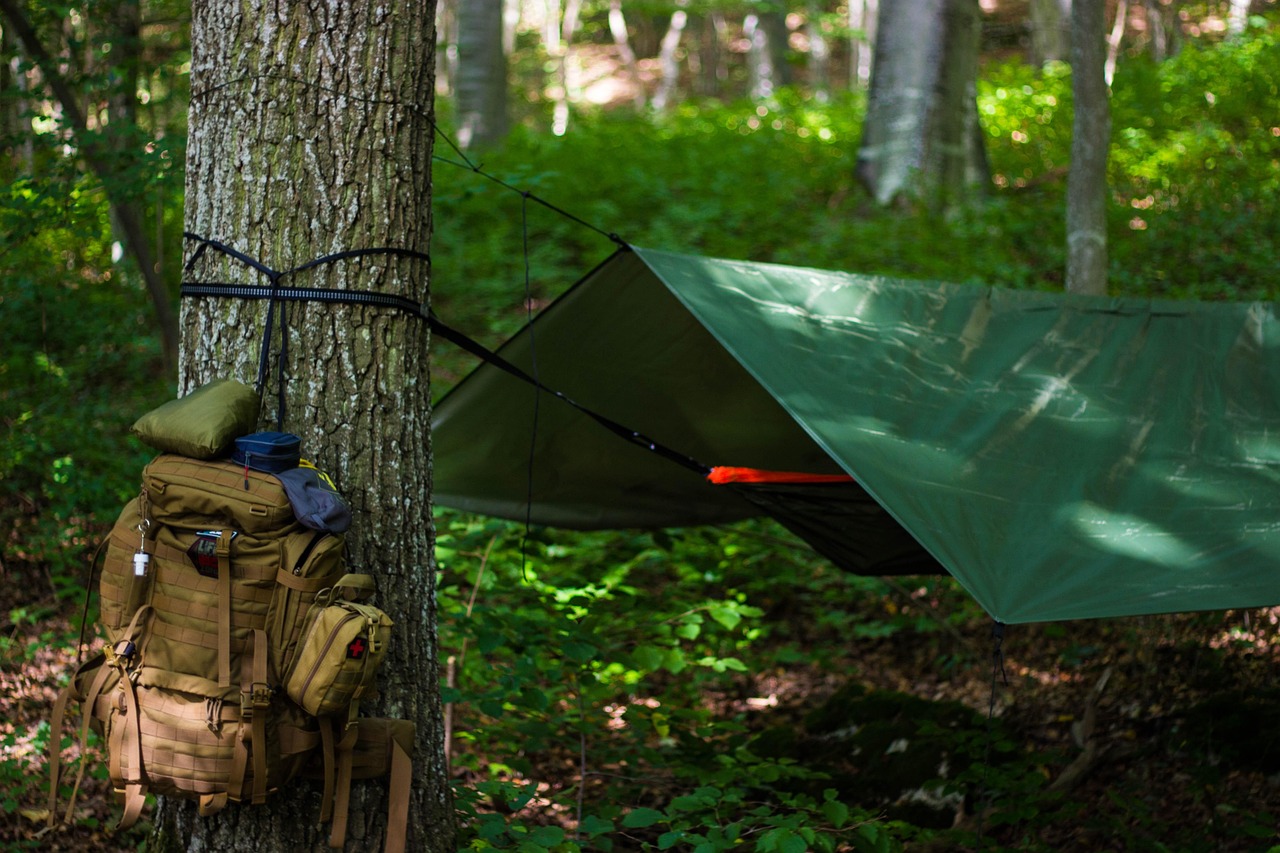


Wild camping is the practice of pitching a lightweight tent or sleeping under a tarp in a remote, non-designated area, away from facilities and crowds. It demands complete self-sufficiency and adherence to the Leave No Trace philosophy.
Pros and Cons of Wild Camping
Pros
- Ultimate Freedom and solitude.
- Deep Connection with nature.
- Highly cost-effective (no pitch fees).
- Challenging and rewarding self-sufficiency.
- Flexibility in location and timing.
Cons
- Legality requires landowner permission in England.
- Lack of facilities (no toilets or water).
- Exposure to unpredictable elements.
- Heavy pack weight (must carry everything).
- Risk of trespassing if permission is not secured.
Essential Equipment Required
Packing light and smart is essential for a successful wild camp:
- Lightweight Tent, Bivvy Bag, or Tarp
- Sleeping Bag (rated for low temps)
- Sleeping Mat (for insulation)
- Large Backpack (50L+)
- Map, Compass, and GPS (charged)
- Head Torch with spare batteries
- Lightweight Stove, Fuel, and Pot
- Water Filter / Purification Tablets
- First Aid Kit (comprehensive)
- Layers of appropriate Clothing (waterproofs, thermals)
- Rubbish Bags (for ALL waste)
- Trowel for responsible human waste disposal
- Power Bank for electronics

Safety and Best Practices (Leave No Trace)
The 7 Principles of Responsible Camping
Mastering this code is essential to protect the land.
Plan Ahead & Prepare
Travel & Camp on Durable Surfaces
Dispose of Waste Properly
Leave What You Find
Minimize Campfire Impacts
Respect Wildlife
Be Considerate of Other Visitors
*Source: Leave No Trace principles, adapted for UK wild camping ethics.
Your Personal Safety Checklist
- Share your plan (route and return time) with a trusted person.
- Check the weather for sudden changes.
- Know your navigation (don't rely only on phone/GPS).
- Pack out ALL waste (including food scraps).
- Know the emergency number (999/112 for Mountain Rescue).
Legal and "Wild-ish" Camping Options Near Manchester
These spots offer a more remote feel while operating within legal boundaries (either designated pitches or private land with explicit consent).
Tip for Adventurers: The spots listed below represent known, advertised, or generally discussed locations. This list is not exhaustive. Many other opportunities exist on private land if you are willing to do your own research and respectfully approach landowners to ask for permission. A responsible camper always seeks consent before pitching up!
1. Semi-Wild & Back-to-Basics Campsites (Booked Pitches)
| Name | Approx. Location | Key Features |
|---|---|---|
| Chapel View Wild Campsite | High Peak, Derbyshire (Near Kinder Scout) | Remote campsite for hikers on the Pennine Bridleway, basic facilities. |
| Camping at The Hollies | Buxton, Derbyshire (Near The Roaches) | "Back-to-basics" camping with minimal facilities. |
| Swallow Barn Farm | West Yorkshire (Near Holmfirth) | Advertised as a "Wild camping site," provides firepits. |
| Dearden Wood Campsite | Edenfield, Lancashire (Rossendale Valley) | Quiet, secluded woodland site surrounded by moorlands. |
2. Services for Booking Private "Wild" Spots (Consent Guaranteed)
| Service/Platform | How it Works |
|---|---|
| Wild With Consent | Platform connecting campers directly with private landowners who grant guaranteed permission for exclusive, off-grid spots. |
3. Traditional "Wild Camping" Areas (Permission Required)
These areas are often cited by experienced campers, but explicit landowner permission is essential and patrols are common.
- Kinder Scout & Bleaklow: Highest, most remote moorland in the Peak District. Discretion and the "arrive late, leave early" rule are often relied upon, but legally, permission is still required.
- The South Pennines: Remote hills around Saddleworth Moor and the West Yorkshire border.
Further Reading & Local Guides
Before heading out, consult relevant local resources for safety and conservation information.
- Peak District National Park Authority (Official Site)
- Mountain Rescue England and Wales
- Ordnance Survey Maps and Guides
The Land Access Debate: A Call for Responsible Use
A central issue for UK outdoor enthusiasts is the significant amount of unused private land that remains inaccessible to the public. There is a strong argument that much of this land, particularly remote moorland and uplands, could be opened up for recreational activities like responsible wild camping.
Opportunity for Landowners: Extra Income Revenue
By adopting a permissive approach, private landowners are in a unique position to generate additional income revenue.
- Permit System: Landowners could implement a small, controlled permit system (e.g., via platforms like "Wild With Consent") for a limited number of pitches per night.
- Economic Benefit: This model provides a new, low-impact stream of revenue from land that might otherwise be unproductive, while strictly enforcing the Leave No Trace principles to protect the environment.
- Social Good: It also fosters better public relations and promotes responsible stewardship of the countryside among the outdoor community.
Embracing a responsible attitude from both the camper and the landowner is key to expanding access without compromising the integrity of the natural environment.
This article delves deeper into the complex issues of land ownership (property rights), public access rights, and the social debate surrounding who gets to enjoy the UK countryside.
Read the BES Article: Countryside AccessOnline Wild Camping Communities
Connecting with experienced campers and local groups is the best way to find current information, learn new skills, and arrange responsible group outings. The following Facebook groups focus on UK-based outdoor activities and wild camping discussion. (Note: Always check group rules before posting or asking for specific site locations.)
- Camping for Beginners
- Wild UK Camping
- Lake District Hiking And Wild Camping
- Uk Wild Camping, Bushcraft, Outdoor Cooking And Hiking Association
- Group Wild Camping and Hiking UK
- Wild Camping UK (fire friendly)
Basic Bushcraft & Survival Skills
Bushcraft involves skills for surviving and thriving in the natural environment. Mastering a few basics enhances your wild camping experience and self-reliance.
Key Skills for Campers
- Knot Tying: Learn the Bowline, Tarp Hitch, and Clove Hitch for securing tents, tarps, and gear.
- Fire Starting (Stove Use): While open fires are generally forbidden in wild camping areas, knowing how to light a survival fire is critical. For cooking, practice using your lightweight camping stove reliably in all weather conditions.
- Shelter Building: Understand how to quickly pitch a simple tarp or lean-to structure using natural materials and your hiking pole—a useful backup if your tent fails.
- Water Sourcing: Learn to identify safe water sources (fast-running streams) and the proper use of chemical purification or a water filter.
Note: Always adhere to the Leave No Trace principle; practice bushcraft skills in designated areas only and never chop live wood.
Need help packing? Consult our full Essential Camping Equipment Guide for gear checklists and advice.