Breaking the Spell of Christmas: Reclaiming the Solstice
– A reflection written on December 28, 2025, in the quiet days between celebrations. –
Where has the true magic of Christmas gone? We explore the profound spiritual longing for the season's ancient meaning and the constant noise of the consumer-driven world.
The Modern Dichotomy: Family Joy vs. Digital Craving
For those of us with close families, the Christmas season holds a beautiful, natural joy rooted in love and spending time together. It sounds perfect, but a hidden, darker side often accompanies it, particularly among the younger generation. Their joy is increasingly tied to the materialistic consumer-based gifts of the latest modern technology, driven into their minds by covert marketing that is everywhere you look and listen.

This overwhelming cultural construct of Christmas, with its chaos of consumerism and the relentless myth of "more," often leaves people feeling disconnected and overwhelmed. The natural rhythm of the season, which invites us to rest and reflect, is replaced with a chaotic whirlwind of productivity and consumption. By questioning these societal constructs, we can begin to see how surreal and disconnected the season has become from its origins.
The Quiet Wisdom of the Winter Solstice
The Winter Solstice marks the longest night of the year, a few days where the sun seems to stand still in the sky, rising and setting at the same time. This liminal space is an ancient invitation to pause, reflect, and honour the rhythms of nature. This sacred moment marks a turning point: the return of the light, a time of quiet stillness that encourages us to slow down and embrace the darkness.
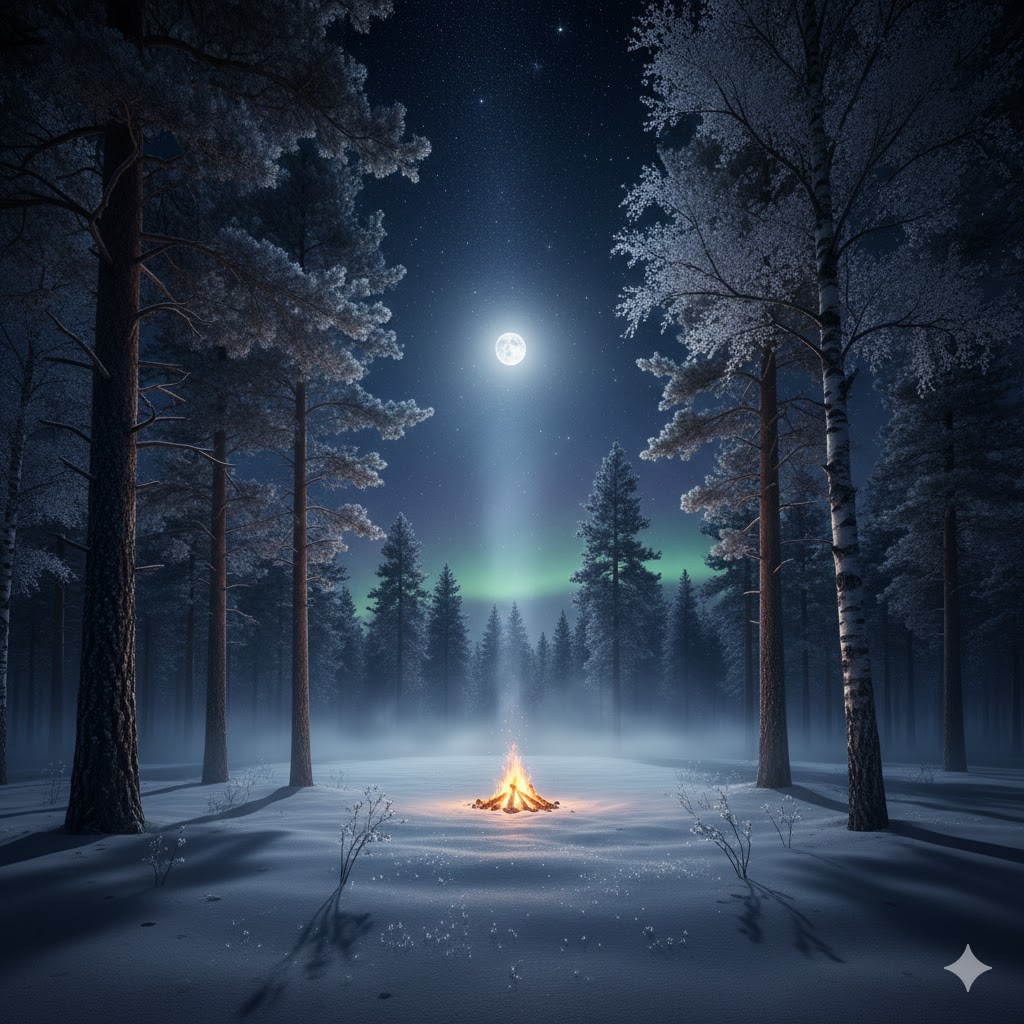
When you step away from societal expectations and begin rewilding your connection to nature, you can uncover a deeper truth: the rituals we associate with Christmas have profound roots in pagan celebrations of the season, honouring the cycles of light and dark. Stepping away from the chaos transformed the relationship with this time of year.
Pagan Origins: The Traditions Rebranded
Many familiar Christmas traditions—decorating trees, lighting candles, and gathering for feasts—stem from ancient pagan rituals. In pre-Christian times, life was lived in harmony with the seasons. Winter Solstice was a time to rest and reflect in the darkness, celebrate the sun's return, and embrace the promise of renewal. So many of these traditions have been 'rebranded' first by Christianity and then by consumerism, skillfully erasing their original, deeply nature-based meaning.

Consider these ancient practices:
- Evergreens: Holly, ivy, and pine symbolised resilience and eternal life during the harsh winter months. Pagans decorated their homes with these plants as reminders of life's continuity.
- Candles and Fires: Bonfires and candles were lit to honour the sun's rebirth and bring much-needed light into the darkness.
- The Yule Log: A sacred log, often oak, was burned as a symbol of warmth, protection, and the returning light. Its ashes were kept for good luck in the coming year.
- Feasting: Seasonal feasts were a way to gather in community, share abundance, and honour the turning of the seasons.
Questioning the Consumer Construct
Have you ever stopped to think about the hypocrisy of the overlord and patron saint of consumerism, Father Christmas? This jolly white old man's whole persona is constructed to symbolise joy and magic, concluding in his visit with a bag full of endless, mass-produced gifts. Yet, this character upholds systems and structures—patriarchy and consumerism—that are actively harming people and the planet.

The modern version of Christmas, constructed by retailers in boardrooms, feels increasingly alien from the quiet wisdom of the land. The frantic rush to buy gifts, decorate homes with plastic items likely made by exploitative processes, and attend obligatory social gatherings leaves little room for reflection or true connection. This commercial frenzy stands in stark opposition to the deep, seasonal celebration it once was.
Reclaiming Peace and Aligning with Nature
When we mirror nature's rhythms, the darkest part of the year becomes something to celebrate. Long nights invite us to rest and reflect, while the slow return of the sun offers genuine hope and renewal. The overwhelm disappears when you strip away the societal noise and tune into nature. You're no longer rushing to 'get ready for Christmas'; instead, you're walking gently through the season, honoring its quiet magic.

This season is an invitation to step out of the chaos of modern Christmas and return to the simple, profound wisdom of the season. By letting go of consumerism and societal pressure, you can find a deeper connection to the Earth and to yourself. Your practice might include:
- Lighting candles and burning beautiful incense to honour the light.
- Journaling and reflecting on the past year's cycles.
- Enjoying quiet evenings of stillness and inward focus.
- Reveling in awe of the rare, golden sunlight on crisp winter days.
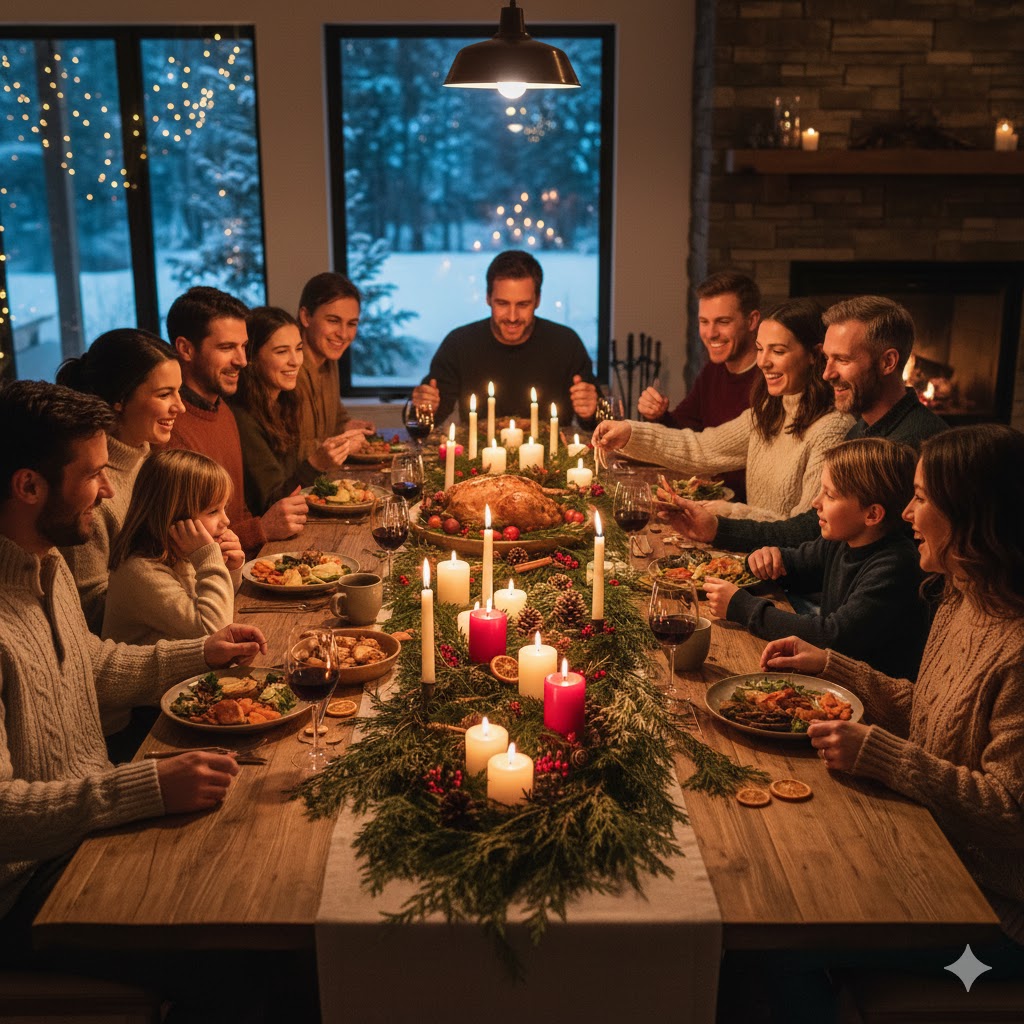
I invite you to question the narratives we've been handed and make space for what truly nourishes you. By celebrating each other, love, and joy, thanking for the feast, and finding wellness in gratitude, you honour nature and remember a homecoming truth: We are not humans doing, but humans being. We are nature, we are the universe.
Our Family's Commitment to Rewilding
This year, 2025, marks our family's final traditional 'Christmas' under the old spell. We have made a commitment to honour the ancient call: starting in 2026, our celebration will fully transition to a customized Winter Solstice Holiday—a time of quiet reflection, feasting, and genuine connection to nature, celebrated exactly how we choose.
What is Your Vision?
We invite you to join this transition. What is your vision for reclaiming the season? Share your reflections with us via our Contact Page. We may feature your journey in a future piece, celebrating the growing community of those who are choosing to be nature.
Discover More Ways to Connect
Our articles and guides offer practical ways to step away from the digital noise and connect with the land in and around Manchester.